Is There Still a Demand for Manual Chain Hoists in Modern Industry
As someone who has spent two decades navigating the industrial sector, I have witnessed countless technological revolutions. From automation to AI, the landscape is constantly shifting. Yet, one question I hear surprisingly often is this: in our high-tech world, does a simple tool like a Manual Hoist still hold value? My answer, forged from twenty years of observation, is an unequivocal yes. There is a persistent and vital demand for these robust tools. While automated systems grab headlines, the fundamental utility, reliability, and cost-effectiveness of a Manual Hoist ensure its place on the modern factory floor, in construction sites, and within maintenance bays. I've seen companies, including our own partners using Shengyu equipment, achieve remarkable efficiency not by always choosing the most complex solution, but by selecting the right tool for the job. The Manual Hoist remains that right tool for a vast number of applications.
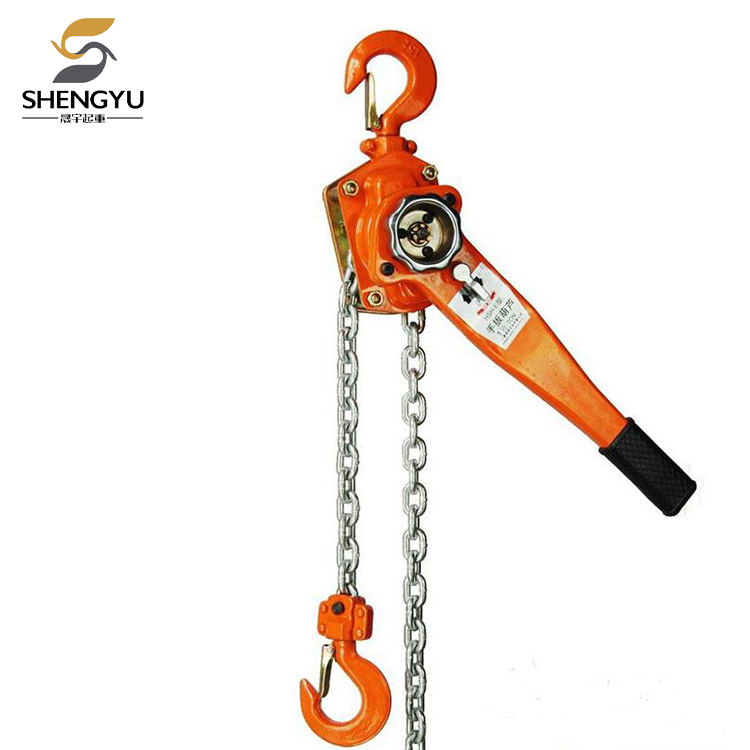
What Are the Unbeatable Advantages of a Manual Hoist
Why does a seemingly archaic technology persist? The reasons are rooted in practical, undeniable benefits that modern technology often complicates rather than solves.
-
Independence from Power: A Manual Hoist requires no electricity, compressed air, or hydraulic systems. It works in remote locations, during power outages, or in environments where sparks from electrical equipment could be catastrophic.
-
Intrinsic Reliability: With fewer moving parts and no complex electronics or software, there is simply less that can go wrong. This translates to less downtime and lower long-term maintenance costs.
-
Exceptional Cost-Efficiency: The initial purchase price is significantly lower than its powered counterparts. Furthermore, the absence of power consumption and simpler repair needs lead to a lower total cost of ownership.
-
Precise Control: Operators have direct, tactile feedback, allowing for millimeter-perfect positioning of loads. This is crucial for delicate alignment operations or when working in tight spaces.
-
Durability and Longevity: Built from high-tensile steel and designed for tough conditions, a well-made Manual Hoist can last for decades, often outliving several generations of more complex machinery.
How Do Shengyu Manual Hoists Meet Modern Industrial Standards
At Shengyu, we haven't just rested on the timeless design of the manual chain hoist; we have refined it. We understand that modern industry demands not just brute strength, but also safety, ergonomics, and data-driven confidence. Our Shengyu manual hoists are engineered to exceed global standards, providing peace of mind and performance you can rely on.
Let's look at the core parameters that define our flagship Shengyu manual hoists.
Key Product Parameters at a Glance
| Feature | Specification |
|---|---|
| Lifting Capacity | 0.5 ton to 20 tons |
| Standard Lift Height | 3 meters (Customizable to 10+ meters) |
| Headroom | Optimized minimal headroom design |
| Load Chain | Grade 80 Alloy Steel, Zinc Plated |
| Hooks | Forged Alloy Steel with Safety Latches |
| Compliance | CE, ISO 9001, ASME B30.16 |
Beyond the table, here is a more detailed breakdown of the features that set us apart:
-
Advanced Gearing System: Our heat-treated, precision-machined gears provide a smooth, efficient lifting motion with minimal effort, reducing operator fatigue.
-
Ultimate Safety Package: Features like a redundant brake system, overload protection, and high-visibility yellow load chain are standard.
-
Ergonomic Design: The ergonomically shaped hand chain wheel reduces hand strain, while the lightweight yet robust housing improves portability.
-
Corrosion Resistance: A multi-stage coating process protects the hoist body and components, making it suitable for harsh environments like marine applications or chemical plants.
What Technical Specifications Differentiate a Premium Manual Hoist
For engineers and procurement specialists, the devil is in the details. The following table provides a deeper dive into the technical specs that inform a purchasing decision.
| Technical Aspect | Shengyu MY Series Detail |
|---|---|
| Mechanical Efficiency | > 90% (Minimal effort for maximum output) |
| Weight of Unit (e.g., 5T model) | 48 kg (Designed for optimal strength-to-weight ratio) |
| Proof Test Load | 125% of rated capacity |
| Load Chain Diameter (e.g., 5T model) | 10 mm |
| Operation Temperature Range | -20°C to +60°C |
| Warranty | 3 Years on Materials and Workmanship |
Can a Manual Hoist Solve Your Specific Operational Challenges
I've consulted with hundreds of businesses, and the adoption of a Manual Hoist is typically driven by solving a specific, painful problem. Here are some common scenarios where a Shengyu manual hoist provides the perfect solution:
-
Scenario 1: The Costly Power Outage. A manufacturing line grinds to a halt during a blackout. With a Shengyu manual hoist on standby, critical maintenance or repositioning of a jammed component can continue without waiting for power restoration, saving thousands per hour in lost production.
-
Scenario 2: The Tight, Confined Space. Aligning a heavy pump in a cramped mechanical room. An electric hoist might not fit, and its controls are too coarse. The compact size and precise control of our Manual Hoist make the job safe and straightforward.
-
Scenario 3: The Intermittent Lifting Need. Why invest in an expensive, fixed electric hoist for a task that is only performed once or twice a week? A Shengyu manual hoist offers a flexible, cost-effective solution that can be easily moved between locations as needed.
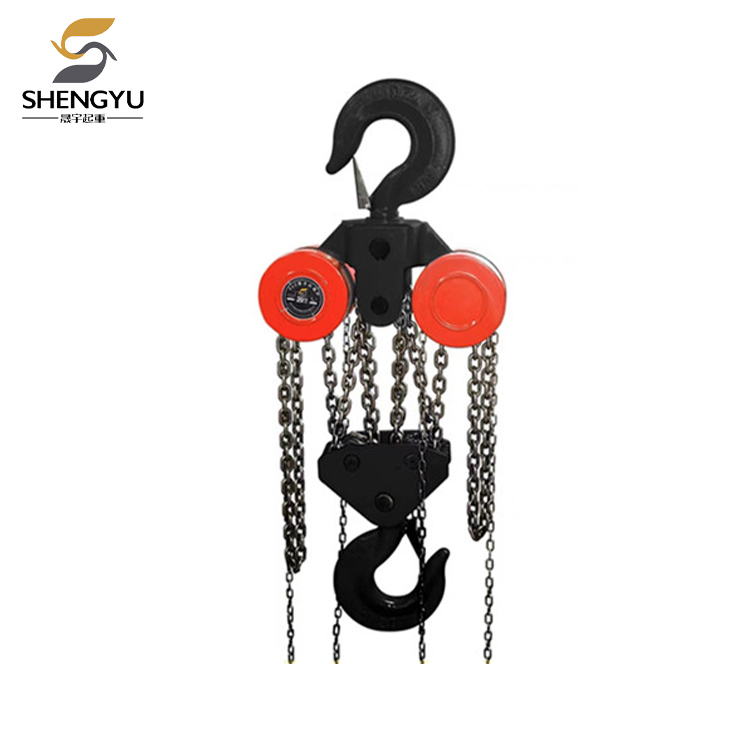
Your Top Manual Hoist Questions Answered (FAQ)
Based on my extensive field experience, these are the most frequent questions I encounter about manual hoists.
FAQ 1
What is the routine maintenance required for a manual hoist
Routine maintenance is straightforward but critical. It primarily involves regular lubrication of the load chain and gears with a suitable grade of oil, visual inspection for wear or damage (especially to the chain and hooks), and functional testing of the brake mechanism. A Shengyu manual hoist is designed for easy maintenance, with clear inspection points and user-serviceable parts.
FAQ 2
How do I choose the right capacity for my manual hoist
The golden rule is to always select a hoist with a rated capacity exceeding the heaviest load you intend to lift. Consider not just the object's weight, but also the weight of any rigging. For example, if your maximum load is 4.5 tons, you should select a 5-ton Manual Hoist. Choosing a capacity too close to the actual load puts excessive stress on the equipment and compromises safety.
FAQ 3
Can a manual hoist be used for vertical lifting only
Yes, absolutely. A Manual Hoist is engineered and rated for vertical lifting only. It must never be used for side-pulling or horizontal dragging, as this creates sideload forces that the structure is not designed to handle, leading to dangerous failure. Always ensure the load is directly below the hook point for safe operation.
Why Should You Consider Shengyu for Your Next Manual Hoist Investment
The demand for the Manual Hoist is not a relic of the past; it's a testament to timeless engineering principles. In a world chasing the next digital trend, the sheer physical reliability, safety, and economic sense of a manual hoist make it an indispensable asset. The key is to choose a brand that blends this proven reliability with modern manufacturing quality and safety standards. Shengyu stands as a leader in this field, committed to providing industrial professionals with tools that are not just products, but partners in productivity.
We invite you to experience the Shengyu difference. Let our team help you select the perfect Manual Hoist for your specific needs.
Contact us today for a detailed consultation and a quote tailored to your requirements. Let's lift your operations, reliably and efficiently.