CD1 Electric Hoist Lifting Weakly and Running Slowly: Ageing Motor or Unstable Voltage?
The CD1 electric hoist in the workshop has been in service for two or three years, and lately lifting has become sluggish: full-load hoisting speed has dropped noticeably, sometimes with a dull abnormal noise. Is the motor ageing, or is the on-site voltage unstable? This concerns not only the maintenance cost of one unit, but also the next purchasing decision - many "unreliable" problems are actually planted at the very moment of inquiry, model selection and ordering.
1. Low Voltage or Three-Phase Imbalance
The CD1 electric hoist mostly uses a conical-rotor three-phase asynchronous motor, which is sensitive to voltage fluctuation. According to national standards, the three-phase voltage deviation should not exceed +/-7% of the rated value, but in old workshops with peak power consumption, long line ends, or shared circuits with large equipment, a measured deviation of more than 10% is not uncommon. When the voltage is insufficient, the motor's output torque drops noticeably, showing as difficulty starting, slower full-load hoisting and faster temperature rise. Three-phase imbalance is even more hidden - even if the average voltage is normal, an excessive deviation on any single phase will make the motor heat up and hum, and long-term operation can easily burn the windings. This is also the most common pitfall in export purchasing: many buyers place orders at standard-model prices without stating local grid conditions in the inquiry, only to find after delivery that the speed at 60 Hz does not match the 50 Hz rated value and the coil has to be reworked. Stating the voltage, frequency, phase and line length clearly before purchase allows the manufacturer to configure a matched motor, and the quoted price is then a price that actually works.
2. Ageing Motor Windings or Dragging Brake
The brake of a conical-rotor motor works by spring pressure and is released by the axial displacement of the rotor when energized. After years of service, if the brake spring is fatigued, the friction surface is oily or the gap is improperly adjusted, the brake will not fully release, meaning the motor keeps running "with the brake on" - typical symptoms are weak lifting, slower speed and a hot motor, while all electrical test data look normal. In addition, damp windings, aged insulation and oxidized or loose terminals can likewise reduce the effective output. For wholesale buyers, this raises a practical issue: whether spare-parts supply keeps up. When negotiating a purchase, besides the complete-unit quotation, it is advisable to ask for the unit prices and stock availability of wearing parts such as brake springs, friction pads and rope guides, so that one down machine does not hold up the whole production line.
3. Increased Mechanical Resistance
Lack of lubrication on the wire rope, dry drum bearings, a deformed rope guide or a jammed hook pulley all reduce mechanical efficiency. Such problems are usually accompanied by abnormal noise and are more obvious at no load. Periodic greasing and checking the rope guide for wear can prevent most "slowing down over time" cases - the maintenance cost is minimal, yet it determines the machine's real service life and is the most easily overlooked part of cost performance.
Troubleshooting Sequence: Electrical First, Mechanical Second, Motor Last
1.Measure the voltage: measure the three-phase and phase-to-phase voltages at the motor terminals, record the changes before and after loading, and confirm whether the deviation exceeds the limit;
2.Check the brake gap: with the power off, turn the mechanism by hand; if clear resistance is felt, the brake is not fully released or the bearing is abnormal;
3.Inspect the mechanical parts: check whether the rope is wound neatly, whether the rope guide is deformed, and whether the pulleys turn smoothly;
4.Test the insulation: use a megohmmeter to measure the winding-to-ground insulation and judge whether it is damp or aged;
5.Judge the motor last: if all the above checks are normal and the output still drops, then consider winding ageing or rotor replacement.
This also explains why quotations for the same CD1 specification can differ by thirty percent: the coil material, bearing brand, brake spring quality, and whether a real full-load test is performed - the difference hides in these invisible places. For purchasing, it is advisable to first request one sample for a full-load lifting test, write the test data into the contract annex, and then negotiate bulk pricing and delivery time; this controls the total cost better than simply pressing the price down.
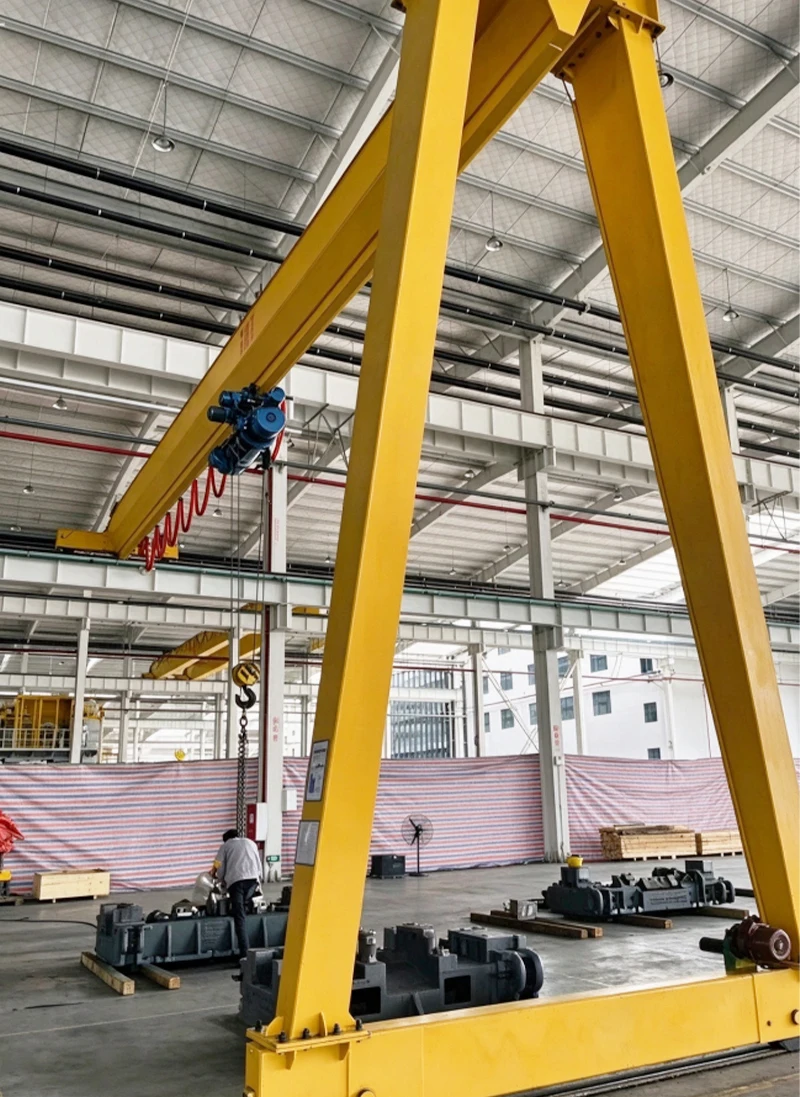
About the Factory
The CD1 wire-rope electric hoists produced by Hebei Shengyu Lifting Machinery Manufacturing Co., Ltd. are completed in-house from machining and assembly to whole-machine testing. Products can be customized by load capacity, lifting height, voltage/frequency, protection class and brand marking; spot-goods wholesale, full-container export and OEM production are all accepted. The foreign-trade team follows up inquiries, sampling, inspection and after-sales service throughout, responds to ordinary inquiries within 24 hours, and offers tiered ex-factory prices and spare-parts lists for bulk orders.
For selection advice, quotations, samples or full-container consolidation plans, call us for a specific quotation: phone 15133220073 (also on WeChat), email sherry@syhoist.com - we look forward to hearing from you.